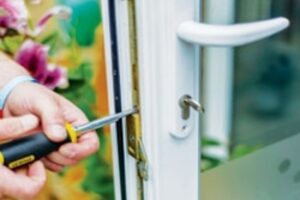
Understanding Sliding Door Locks: A Comprehensive Guide
Sliding doors are a popular architectural function in numerous homes and services. They provide simple access, improve ventilation, and produce a smooth transition between indoor and outdoor areas. Nevertheless, the efficiency of sliding doors in regards to security largely depends upon the quality of their locking mechanisms. This article aims to check out numerous kinds of sliding door locks, their features, installation methods, and common concerns to help readers make notified choices regarding their sliding door security.
Types of Sliding Door Locks
When it comes to protecting sliding doors, there are several kinds of locks offered. Comprehending these alternatives is important for boosting security without jeopardizing benefit. Below are some of the main types of sliding door locks:
1. Patio Door Locks
Patio area doors are generally equipped with a range of locking mechanisms, consisting of:
- Cylindrical Locks: These are the most common and are frequently found on sliding glass doors. They can be equipped with a keyed mechanism or a thumb turn.
- Foot Locks: These locks are set up at the bottom of the door and secure the door by latching into the sill.
- Keyed Locks: A more secure alternative that needs an essential to unlock. They generally have a deadbolt to improve security.
2. Mortise Locks
Mortise locks are more robust than conventional round locks and provide higher security. They are developed into the door, offering a flat surface for additional strength. Mortise locks can be found in different styles, consisting of:
| Lock Type | Secret Security Level | Installation Complexity |
|---|---|---|
| Single Cylinder Mortise | High | Moderate |
| Double Cylinder Mortise | Really High | Moderate to High |
3. Sliding Bolt Locks
Sliding bolt locks are easy mechanisms that can be engaged from the within and are often used in conjunction with other locks for added security. They can be put at both the top and bottom of the sliding door.
4. Security Bars or Grills
Security bars are not locks but function as a physical barrier. They can be set up to avoid the sliding door from being opened even if the lock is compromised.
5. Electronic Locks
These locks include keypads or biometric inputs, supplying benefit and boosted security due to the absence of physical secrets that can be lost or taken.
Key Features to Consider
When choosing a sliding door lock, a number of features should be taken into consideration for ideal security and performance:
- Material Quality: Locks made from stainless-steel or high-grade brass offer much better durability and resistance against tampering.
- Type of Keying: Decide between single key, master keying, or keyless entry depending on user benefit and security needs.
- Alleviate of Use: Locks ought to be easy to use; complex systems could frustrate users and decrease security.
- Compatibility: Ensure the lock works with the specific sliding door style and producers.
- Weather condition Resistance: For exterior applications, locks should be corrosion-resistant to hold up against environment conditions.
Installation and Maintenance
Installation Tips
Setting up a sliding door lock involves several actions. Below is a simplified guide:
- Measure Carefully: Before purchasing a lock, measure the door's measurements to guarantee the lock fits.
- Pick the Location: Decide where the lock will be set up, taking into account user convenience and security.
- Drill Holes: Use the proper drill bits to create holes for the lock and screws, following the lock manufacturer's directions.
- Mount the Lock: Secure the lock in location, ensuring it runs efficiently and successfully engages.
- Check the Lock: Once set up, check the lock a number of times to ensure it functions properly.
Upkeep Tips
Regular maintenance can extend the longevity of sliding door locks:
- Lubricate the Lock: Use a silicone-based lubricant regularly to make sure smooth operation.
- Examine Alignment: Ensure the locking mechanism lines up appropriately with the strike plate. Misalignment can lead to jamming or inefficient locking.
- Check for Wear: Regularly look for indications of wear, such as rust or rust, that could compromise security.
- Change Batteries: For electronic locks, change batteries as shown by the manufacturer to preserve functionality.
Common Issues and Troubleshooting
Regardless of their practicality, sliding door locks can encounter concerns. Some typical problems include:
- Sticking Lock Mechanisms: This might happen due to dirt or debris in the lock. Cleaning and lubricating the lock frequently fix this.
- Misalignment: If the door ends up being misaligned, the lock might not engage correctly. Adjusting the door might repair this problem.
- Problem in Turning the Lock: A worn secret or internal parts can result in difficulty when turning the lock. Changing the key or lock may be needed.
- Power Outages (for Electronic Locks): Ensure a backup essential lock mechanism is available for emergencies.
Frequently Asked Questions about Sliding Door Locks
What should I consider when selecting a sliding door lock?
Consider the product, keying type, ease of usage, compatibility with your door, and weather resistance.
How frequently should I maintain my sliding door locks?
Regular upkeep needs to be performed every couple of months, or more regularly if the door is exposed to extreme weather conditions.
Are electronic locks more secure than conventional locks?
While electronic locks provide benefit, they can be vulnerable to hacking. It's important to pick premium models with excellent security features.
Can I upgrade my existing sliding door lock?
Yes, lots of sliding door locks can be updated to more secure options, consisting of installing additional locks or replacing existing locks with more robust models.
Sliding door locks are essential elements for ensuring the security of sliding doors in homes and services. With different lock types readily available, comprehending their features, installation, maintenance, and possible problems can empower consumers to make educated choices. By focusing on security and convenience, people can improve their comfort and the overall safety of their spaces. For front door locks considering upgrades or new setups, seeking advice from a security expert can also supply insights tailored to particular requirements and door types.